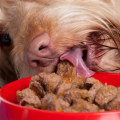
Understanding what attracts dogs to certain types of food is essential for any pet owner looking to provide the best nutrition for their furry companions. Dogs, much like humans, have distinct preferences when it comes to their meals. These preferences can be influenced by a variety of factors, including their upbringing, breed characteristics, and even individual personality traits. By delving into the world of dog food preferences , we can uncover the secrets behind what makes certain foods irresistible to our canine friends.Research has shown that dogs are naturally drawn to foods that are rich in protein and have a strong aroma.
This attraction is not merely a matter of taste; it is deeply rooted in their evolutionary history as carnivorous hunters. The instinctual drive to seek out meat-based diets is still prevalent in many dogs today, making it crucial for pet owners to understand these inclinations when selecting the right food. For instance, foods that contain beef, chicken, or fish often rank high on a dog's list of favorites due to their appealing scents and flavors.Moreover, the texture and temperature of dog food can significantly impact its attractiveness. Dogs tend to prefer warm, moist foods over cold, dry options.
This preference may stem from their natural instincts, as fresh prey would typically be warm and rich in moisture. Therefore, when considering what to feed your dog, it's important to take into account not just the ingredients but also how they are presented. A well-balanced diet that caters to these preferences can lead to happier and healthier pets.In this exploration of what dogs like to eat , we will examine various factors that contribute to food attraction, including the role of smell, texture, and even the psychological aspects of feeding. Understanding these elements will empower pet owners to make informed decisions about their dog's diet, ensuring that mealtime is not only nutritious but also enjoyable for their beloved companions.
The Science Behind Dog Food Attraction
Understanding why dogs are attracted to certain types of food involves a fascinating blend of evolutionary biology, sensory perception, and individual preference.Dogs, as descendants of wolves, have inherited a predilection for high-protein diets that are rich in meat. This ancestral background plays a significant role in shaping their taste preferences today.
Evolutionary Influences
Throughout their evolution, dogs have adapted to thrive on diets that are high in protein and fat. This is evident in their digestive systems, which are designed to process meat efficiently. The preference for meat can be traced back to their wild ancestors who relied on hunting for survival.
As a result, modern dogs often exhibit a strong attraction to foods that contain animal proteins such as beef, chicken, and fish.
Sensory Perception
Dogs possess an extraordinary sense of smell—estimated to be between 10,000 to 100,000 times more sensitive than that of humans. This heightened olfactory ability allows them to detect and differentiate between various scents in their food. The aroma of meat-based dog food is particularly enticing to them, often leading them to prefer these options over plant-based alternatives.In addition to smell, dogs also rely on taste. They have taste buds that are sensitive to amino acids and fatty acids, which are abundant in meat.
This biological setup means that when they encounter food rich in these components, they are more likely to find it appealing. Foods that are moist and aromatic tend to attract dogs more than dry or bland options.
Individual Preferences
While evolutionary factors and sensory perceptions play a crucial role in food attraction, individual preferences also come into play. Just like humans, dogs can develop specific likes and dislikes based on their experiences and exposure to different foods during their formative years. For instance, a dog that has been raised on a diet rich in beef may show a stronger preference for beef-flavored foods compared to those raised on chicken or lamb.Moreover, the texture of the food can influence a dog's attraction as well.
Many dogs prefer foods that are soft and chewy over hard kibble. This preference can be linked to their instinctual behaviors; softer foods may mimic the texture of prey they would naturally consume.In conclusion, the science behind dog food attraction is multifaceted, involving evolutionary history, sensory capabilities, and personal experiences. By understanding these factors, pet owners can make informed choices about the best dog food options that will not only satisfy their pets' nutritional needs but also appeal to their natural instincts and preferences.
Top Ingredients That Attract Dogs
When it comes to selecting the best ingredients for dog food, understanding what attracts dogs is crucial. Dogs are naturally drawn to certain flavors and textures, which can significantly influence their eating habits.Here are some of the top ingredients that are known to entice our furry friends:
- Meat : The most appealing ingredient for dogs is undoubtedly meat. Varieties such as beef, chicken, turkey, and lamb are particularly favored. The rich aroma and flavor of these meats not only satisfy a dog's palate but also provide essential proteins necessary for their health.
- Fish : Fish, including salmon and tuna, is another excellent source of protein that many dogs find irresistible. The omega-3 fatty acids found in fish contribute to a shiny coat and healthy skin, making it a beneficial addition to their diet.
- Meat Meals : Ingredients like chicken meal or beef meal are concentrated sources of protein that pack a punch in terms of flavor.
These meals are made from rendered meat, which means they contain a higher protein content than fresh meat due to the removal of moisture.
- Animal By-Products : While some may be hesitant about animal by-products, they can be a valuable source of nutrients. These include organs like liver and heart, which are rich in vitamins and minerals that support overall health.
- Broths and Gravies : Adding broth or gravy to dog food can enhance its flavor profile significantly. Dogs are often attracted to the savory smell of chicken or beef broth, making their meals more appealing.
- Fats : Healthy fats, such as chicken fat or fish oil, not only improve the taste but also provide essential fatty acids that promote a healthy coat and skin. Dogs are instinctively drawn to fatty flavors, which can make their food more palatable.
- Peanut Butter : This popular treat is not just a human favorite; many dogs love peanut butter too! Its creamy texture and rich flavor make it an excellent ingredient in dog treats and foods.
By incorporating these enticing elements into their dog's diet, owners can ensure that mealtime is not only nutritious but also enjoyable for their furry companions.
Types of Dog Food: Which Is Most Appealing?
When it comes to choosing the best dog food for your furry friend, understanding the different types of dog food available is crucial. Each type has its unique characteristics that can influence a dog's preference based on texture, moisture content, and overall appeal.Dry Dog Food
Dry dog food, often referred to as kibble, is one of the most popular choices among pet owners. Its crunchy texture not only helps in maintaining dental health by reducing plaque buildup but also provides a satisfying chewing experience for dogs. However, while many dogs enjoy the taste of kibble, it may not be as enticing as other options due to its lower moisture content.- Pros: Convenient to store, easy to measure, and generally more affordable.
- Cons: May lack the aroma and moisture that some dogs find appealing.
Wet Dog Food
Wet dog food, or canned food, tends to be more aromatic and flavorful than dry kibble.The higher moisture content makes it more palatable for many dogs, especially those who may be picky eaters or have dental issues that make chewing difficult. The rich smell of wet food can be particularly enticing, often leading dogs to choose it over dry options.
- Pros: Highly palatable, great for hydration, and often contains higher protein levels.
- Cons: More expensive than dry food and requires refrigeration after opening.
Raw Dog Food
The raw dog food diet has gained popularity among pet owners who prefer a more natural approach to feeding their dogs. This type of diet typically includes raw meat, bones, fruits, and vegetables. Many dogs are instinctively drawn to raw food due to its natural aroma and texture.The appeal of raw diets can be attributed to their resemblance to what dogs would eat in the wild.
- Pros: High in protein and nutrients; promotes healthy skin and coat.
- Cons: Requires careful handling and preparation; potential for bacterial contamination if not managed properly.
How to Choose the Best Dog Food for Your Pet
Choosing the best dog food for your furry friend can be a daunting task, especially with the myriad of options available on the market today. To ensure you select a food that not only meets your dog's nutritional needs but also appeals to their taste buds, consider the following practical tips.1.Understand Your Dog's Preferences
- Observe your dog's reactions to different types of food.
Do they prefer wet food over dry? Are they more inclined towards beef or chicken? Understanding these preferences can guide your selection.
- Consider conducting a taste test with various brands and flavors. This can help you identify what your dog enjoys most.
2.Check the Ingredients
- Look for high-quality protein sources as the first ingredient, such as real meat or fish. Dogs are naturally attracted to meaty flavors, which can enhance their eating experience.
- Avoid foods with fillers like corn and soy, as these may not provide the necessary nutrients and can be less appealing to picky eaters.
3.Consider Your Dog's Age and Health
- Puppies, adults, and senior dogs have different nutritional requirements. Ensure you choose a formula that is appropriate for your dog's life stage.
- If your dog has specific health concerns, such as allergies or sensitivities, consult with your veterinarian to find a suitable diet that addresses these issues.
4.Look for Nutritional Balance
- The best dog food should provide a balanced diet that includes proteins, fats, carbohydrates, vitamins, and minerals.
Check for AAFCO (Association of American Feed Control Officials) approval on the packaging to ensure it meets established nutritional standards.
- Consider foods that include beneficial additives like probiotics for digestive health or omega fatty acids for a shiny coat.
5.Gradual Transition
- If you're switching your dog's food, do so gradually over a week to avoid digestive upset. Start by mixing a small amount of the new food with their current food and gradually increase the new food's proportion.
- This approach not only helps in adjusting their palate but also allows you to monitor any adverse reactions to the new diet.
Homemade Dog Food: A Personal Touch
Creating homemade dog food can be a rewarding experience for both you and your furry friend. Not only does it allow you to control the ingredients, ensuring that your dog receives a nutritious and balanced diet, but it also provides an opportunity to cater to their specific tastes and preferences. Many dogs are notoriously picky eaters, and homemade meals can be tailored to entice even the most discerning palates.One of the primary benefits of preparing homemade dog food is the ability to use fresh, high-quality ingredients.Commercial dog foods often contain fillers and preservatives that may not be beneficial for your pet's health. By making your own dog food, you can select wholesome ingredients such as lean meats, vegetables, and grains that are rich in nutrients.
Benefits of Homemade Dog Food
- Customization: You can adjust recipes based on your dog's dietary needs, allergies, or preferences.
- Quality Control: You know exactly what goes into each meal, avoiding harmful additives.
- Freshness: Homemade meals are made with fresh ingredients, enhancing flavor and nutrition.
- Cost-Effective: In some cases, making your own dog food can be more economical than purchasing premium brands.
Here are a couple of simple recipes to get you started:
Simple Chicken and Rice Recipe
- 1 cup of cooked chicken (shredded)
- 1/2 cup of brown rice (cooked)
- 1/4 cup of carrots (finely chopped)
- 1/4 cup of peas (cooked)
- Mix all ingredients together and serve warm.
Beef and Vegetable Stew
- 1 pound of ground beef (cooked)
- 1 cup of sweet potatoes (cubed)
- 1/2 cup of green beans (chopped)
- 2 cups of low-sodium beef broth
- Combine all ingredients in a pot and simmer until vegetables are tender.
Common Myths About Dog Food Preferences
When it comes to understanding what influences a dog’s food preferences, several myths can cloud the judgment of pet owners. Debunking these misconceptions is crucial for ensuring that our furry friends receive the best nutrition possible.Myth 1: Dogs are strictly carnivores.
While dogs are often associated with a meat-based diet, they are actually omnivores.
This means they can thrive on a variety of foods, including vegetables and grains. Their ancestors, wolves, primarily consumed meat, but domesticated dogs have adapted to digest carbohydrates more efficiently. This flexibility allows them to enjoy a balanced diet that includes both animal and plant-based ingredients.
Myth 2: Dogs will eat anything.
It’s a common belief that dogs will gobble up any food offered to them. However, dogs can be quite discerning about their meals.
Factors such as texture, aroma, and flavor play significant roles in their preferences. For instance, many dogs show a clear preference for moist foods over dry kibble, which can lead to picky eating habits if not addressed early on.
Myth 3: All dog food is created equal.
This misconception can lead pet owners to overlook the importance of quality ingredients in dog food. Not all brands prioritize nutritional value; some may contain fillers or artificial additives that do not benefit your dog's health. It’s essential to read labels carefully and choose products that list high-quality protein sources as the primary ingredients.
Myth 4: Dogs prefer food based solely on taste.
While taste is undoubtedly important, dogs are also influenced by smell and texture.
The aroma of food can significantly impact their willingness to eat it. Foods that are rich in protein and have a strong scent tend to attract dogs more effectively than bland options. This is why many trainers use high-value treats with appealing smells during training sessions.
Myth 5: Homemade dog food is always better than commercial options.
Although homemade diets can be beneficial when prepared correctly, they often lack essential nutrients unless carefully balanced. Commercial dog foods are formulated to meet specific dietary requirements and can provide a complete nutritional profile that may be challenging to achieve with homemade meals alone.By understanding these common myths about dog food preferences, pet owners can make more informed decisions regarding their dog's diet.
Providing a balanced and appealing diet not only enhances their health but also strengthens the bond between pets and their owners.
FAQs About Dog Food Attraction
When it comes to understanding what attracts dogs to certain foods, many pet owners have questions. Here are some frequently asked questions that can help clarify the factors influencing your dog's food preferences.What ingredients are most appealing to dogs?
Dogs are naturally drawn to foods that contain high levels of protein and fat. Ingredients such as beef, chicken, and fish are often favored due to their rich aroma and taste. Additionally, many dogs enjoy foods that include meat by-products, which can enhance the flavor profile.Other appealing ingredients include:
- Pork : Known for its strong scent, pork can be particularly enticing.
- Peanut Butter : This ingredient is not only tasty but also packed with protein and healthy fats.
- Cheese : Many dogs find cheese irresistible, making it a popular treat.
- Broth : Foods soaked in chicken or beef broth can significantly increase palatability.
Do dogs prefer wet or dry food?
The preference between wet and dry food can vary from dog to dog. However, many dogs tend to favor wet food due to its moisture content and stronger aroma. Wet food often has a more appealing texture and is easier for dogs to chew, especially for older dogs or those with dental issues. On the other hand, dry food is convenient and can help maintain dental health by reducing plaque buildup.How does a dog's upbringing affect their food preferences?
A dog's early experiences with food can significantly shape their preferences later in life.Puppies that are exposed to a variety of flavors and textures during their formative months are more likely to develop a diverse palate. Conversely, if a dog is primarily fed one type of food, they may become picky eaters as they grow older.
Can I train my dog to like certain foods?
Yes, you can train your dog to appreciate different types of food! Gradually introducing new foods alongside their favorites can help them adjust. Using positive reinforcement techniques, such as treats or praise when they try new foods, can also encourage them to expand their diet.Understanding these aspects of dog food attraction can help you make informed choices about your pet's diet, ensuring they enjoy their meals while receiving the necessary nutrition.Conclusion: Finding the Best Dog Food for Your Furry Friend
In conclusion, selecting the best dog food for your furry friend is a multifaceted process that requires careful consideration of their individual preferences and nutritional needs. Understanding what attracts dogs to certain foods can significantly enhance their eating experience and overall health.As we explored, dogs generally show a strong preference for protein-rich diets, particularly those that include meats like beef, chicken, and fish.This inclination is not merely a matter of taste; it reflects their evolutionary background as descendants of carnivorous ancestors. The aroma and texture of meaty foods often entice dogs more than other options, making it essential to choose dog food that aligns with these natural instincts.Moreover, the temperature and moisture content of the food play a crucial role in its appeal. Dogs tend to favor warm, moist meals over cold, dry ones. This preference can be leveraged by serving their food slightly warmed or incorporating wet food into their diet to enhance palatability.When considering the best dog food, it’s also important to factor in any dietary restrictions or health concerns your dog may have.
Consulting with a veterinarian can provide valuable insights into what ingredients are best suited for your pet's specific needs. For instance, some dogs may require grain-free options or diets low in carbohydrates due to allergies or sensitivities.Additionally, experimenting with different flavors and textures can help identify what your dog enjoys most. You might find that they prefer certain brands or formulations over others. Incorporating high-value treats during training can also reinforce positive associations with specific foods.Ultimately, the journey to finding the perfect dog food is about more than just satisfying hunger; it’s about ensuring your pet thrives and enjoys their meals.
By paying attention to their preferences and nutritional requirements, you can make informed choices that contribute to their happiness and well-being.In summary, understanding your dog's unique tastes and dietary needs is key to selecting the best dog food. With patience and observation, you can discover the ideal diet that keeps your furry friend healthy and satisfied.